What Faith-Based Teams Look for in Case Management Software (And Why It's Usually Missing
Faith-based organizations and community ministries operate under a unique dual mandate. You are called to provide compassionate, holistic care, but you are also accountable to funders, boards, and your congregation for how those resources are used. This tension is real. Your staff and volunteers want to focus on people. Yet, leadership needs clear, accurate data to prove impact and secure continued support.
When evaluating case management software, teams in this sector often find themselves stuck between two extremes. On one side, there are legacy enterprise systems that are powerful but so complex they require a dedicated IT team to maintain. On the other, there are generic CRM tools that lack the nuance needed for Christian ministry support, such as tracking specific assistance types, wraparound services, or holistic outcomes.
What's usually missing is a tool that respects the reality of frontline work. Faith-based teams, including Christian ministries, need software that's intuitive enough for volunteers to adopt quickly, yet robust enough to capture the full story of client progress. They need a system that turns daily interactions into funder-ready reports without adding hours of overhead.
The Desire for "Holistic" Service Tracking
In many faith-based programs, a client's needs are interconnected. A person seeking housing assistance might also need food security support, job training, or counseling. Traditional software often forces these interactions into siloed records or rigid categories that don't reflect real life.
Teams look for a platform that allows for holistic service tracking. This means being able to log multiple types of assistance in a single session, link related services, and view the entire client journey in one place. When a caseworker opens a client file, they should see a unified narrative, not a fragmented collection of disjointed notes.
This holistic view is critical for two reasons:
- For Staff: It reduces cognitive load. Caseworkers don't have to jump between five different tabs to understand a client's current status.
- For Leadership: It reveals patterns. You can see how different services correlate with long-term stability, allowing you to refine your program model based on actual outcomes rather than isolated metrics.
The Need for Frictionless Daily Workflows
The biggest barrier to software adoption in faith-based settings is often complexity. If a tool requires extensive training or has a clunky interface, staff will find workarounds, usually spreadsheets or paper notes. This creates data silos and makes accurate reporting nearly impossible. More importantly, a lot of faith-based support is provided by volunteers who don't have the time to learn new systems. The software must be intuitive enough for them to use without extensive training.
Faith-based teams prioritize tools that offer a frictionless daily experience. This includes:
- Quick Service Logging: The ability to record a service interaction in seconds, often from a mobile device while on the go.
- Intuitive Interfaces: Clean, modern designs that feel familiar rather than intimidating.
- Minimal Clicks: Workflows that prioritize speed, such as barcode scanning for inventory or automated enrollment into programs.
When the software gets out of the way, staff can focus on building relationships and delivering care. This "refreshingly simple" approach leads to higher adoption rates and more accurate data entry.
Expectations for Reporting
Accountability is non-negotiable for Christian ministries. Whether reporting to a government grantor for secular programs, a private foundation, or your congregation, you need to demonstrate impact clearly and efficiently.
Many teams are frustrated by the gap between their daily work and their reporting requirements. They spend hours at the end of the quarter manually compiling data from various sources, cleaning it up, and formatting it into charts. This process is both time-consuming and prone to error.
What's missing is automation. The software should automatically aggregate your data into visual dashboards and reports that are ready to share. You should be able to generate insights about your programs, such as housing stability rates or employment outcomes, without performing manual data mapping.
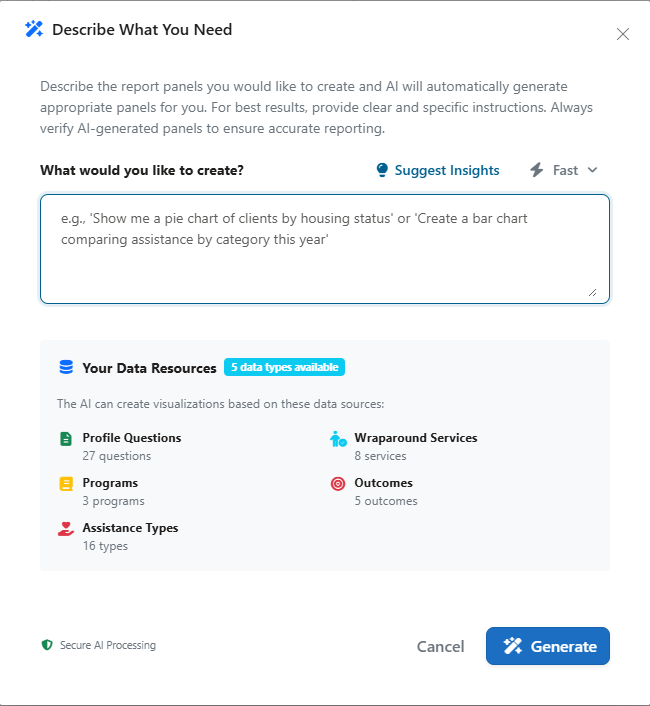
The image above illustrates a modern approach to reporting: the AI Dashboard Builder. Instead of spending days configuring complex queries, users can simply describe what they need in natural language. The system then generates the appropriate visualizations, such as pie charts or bar graphs, based on your available data resources. This democratizes data analysis, allowing any staff member to create professional reports quickly and securely.
The Importance of Role-Based Security and Trust
Faith-based organizations often handle sensitive personal information, including financial data, health records, and legal statuses. Trust is the foundation of your relationship with the people you serve, and protecting that trust is paramount.
When evaluating software, teams look for robust security features that go beyond basic login credentials. This includes:
- Role-Based Access Control: Ensuring that volunteers, caseworkers, and administrators only see the data they are authorized to access.
- Data Encryption: Protecting information both in transit and at rest.
- Audit Trails: Maintaining a clear record of who modified client records and when.
These features provide peace of mind, allowing your team to operate with confidence. They also help you comply with relevant regulations, such as HIPAA or GDPR, depending on your location and services.
Supplementing Assistance Tracking with Holistic Support
Tracking the quantity of services delivered is only half the story. For faith-based organizations, the quality and continuity of care are equally important. It's not enough to know that a client received a food box or utility assistance; you also need to understand the context of that interaction. How was the client treated? Were their specific barriers identified? Was there a clear next step?
Traditional case management systems often treat service delivery as a transactional checkbox. They log the "what" but miss the "how." This gap makes it difficult to ensure that your ministry is upholding its values of dignity and respect in every interaction.
A better approach involves tracking the nuances of support alongside the assistance itself. This means supplementing basic assistance logs with:
- Detailed Notes: Capturing qualitative insights from caseworker conversations.
- Checkpoints and Milestones: Marking progress toward long-term goals, such as securing permanent housing or achieving financial independence.
- Automated Follow-ups: Ensuring that no client falls through the cracks between interactions.
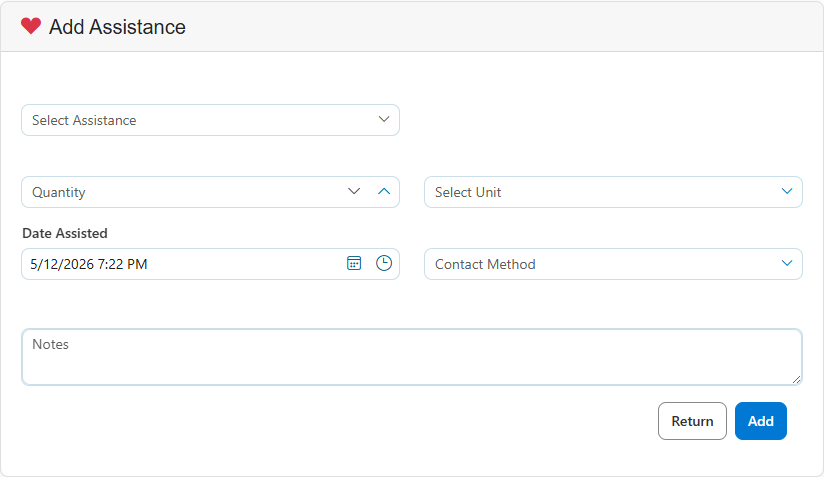
The image above shows the Add Assistance form, which is designed for speed and clarity. Notice the dedicated "Notes" field. This allows staff to record immediate observations or client feedback right at the point of service entry. By capturing this context alongside quantitative data (like quantity and date), you create a richer picture of the client's journey, but there's more you can do.
Stopping at the transactional level of service delivery is insufficient for faith-based organizations that aim to provide holistic care. By integrating qualitative insights and follow-up mechanisms into your case management software, you can ensure that your ministry not only meets immediate needs but also fosters long-term stability and empowerment for those you serve.
For example, if a client receives food assistance, your system should allow the option to automatically enroll them in your comprehensive food security program, where you can track their progress and outcomes. This creates a more holistic and seamless continuum of care, where each interaction builds on the last, rather than existing in isolation.
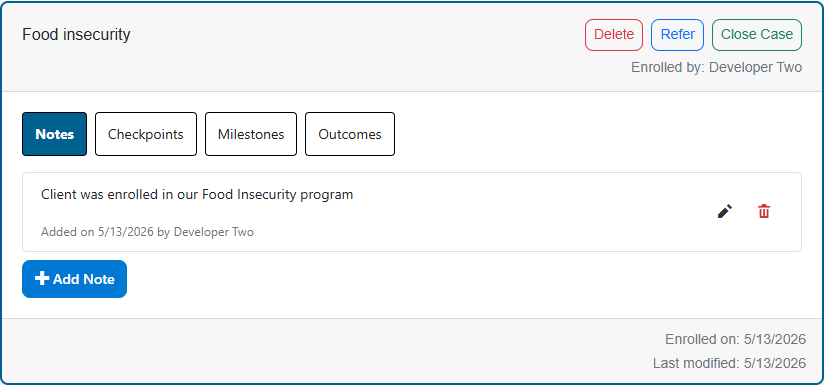
A system that supports wraparound care, and incorporates true outcome tracking into their reporting, is a game-changer for Christian ministries. It allows you to demonstrate not just the volume of services provided, but the meaningful impact of your ministry on the lives of those you serve.
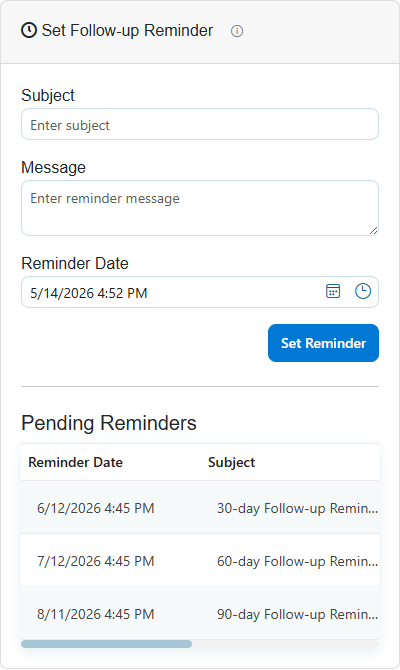
Equally important is the ability to maintain momentum. Follow-up reminders allows caseworkers and volunteers to schedule specific check-ins directly within the client record. Whether it's a call to check on a job interview or a meeting to review a housing application, these reminders further encourage continuity. The "Pending Reminders" list in the image below provides a clear view of upcoming touchpoints, helping teams manage their time effectively and ensuring that clients feel supported throughout the entire process.
Choosing a Platform That Aligns with Your Mission
When selecting case management software, faith-based organizations should look for solutions that align with their core values of compassion, accountability, and simplicity. The ideal platform should reduce administrative burden, enhance client care, and provide clear insights into program impact.
Cohoist is designed with these needs in mind. It offers a refreshingly simple case management platform that connects intake, service tracking, and impact reporting in one clean system. With features like AI-powered report generation, smart workflows for support tracking, and even built-in communication tools, like email and SMS, Cohoist is an ideal choice for Christian ministries seeking to streamline operations while staying true to their mission.
To see the ways a simpler, more intuitive case management system can help your faith-based mission, schedule a demo with Cohoist today.
Ready to put this into practice?
Cohoist gives your team clean intake, fast service tracking, and funder-ready reports — without the clutter of traditional systems. See how simple it can be.