Why Your Program's Growth Is Stalling Under the Weight of Manual Data Entry
For many nonprofit leaders, growth feels like a double-edged sword. On one hand, a growing number of clients means more lives touched and a deeper impact on the community. On the other hand, it often brings a creeping administrative burden that can eventually slow your mission to a crawl.
If your team is spending more time navigating spreadsheets, double-entering information into different systems, or hunting down missing notes, you aren't just facing a "busy" season. You are likely facing a structural bottleneck. When manual data entry becomes the primary way information moves through your organization, it creates a ceiling on how much your program can actually achieve.
The Hidden Cost of "Workarounds"
In the early stages of a nonprofit, "making it work" is a badge of honor. You might use a mix of paper files, personal spreadsheets, and a few disparate apps to keep things moving. These workarounds are often born out of necessity, but as your program scales, they begin to create three specific types of friction:
1. The Information Silo Effect
When data lives in different places-one person's notebook, a shared spreadsheet, and a separate intake form-no one has the full picture. If a client interacts with three different departments, does your team know what was discussed in the first meeting? Without a centralized system, the burden falls on the client to repeat their story every single time.
2. Data Decay and Integrity Issues
Manual entry is prone to human error. A typo in a phone number, a misspelled name, or a forgotten date can make it nearly impossible to track a client's progress accurately. Over time, these small errors compound, leading to "dirty data" that makes it difficult to know which services are actually being utilized and where the gaps are.
3. The Opportunity Cost of Staff Time
Every hour a qualified staff member spends copying data from a paper form into a computer is an hour they aren't spending on direct service, advocacy, or program development. This is the most significant cost of manual entry: it drains the energy of your most valuable asset-your people.
Identifying the Breaking Point
How do you know if your current workflow is the reason your growth has stalled? Look for these three red flags:
- The "Double Entry" Tax: Your team has to enter the same piece of information into two or more different systems (e.g., an intake form and then a separate case management tool).
- Reporting Lag: It takes days or weeks to compile a simple report for a funder because you have to manually aggregate data from multiple sources.
- Inconsistent Client Experiences: Different staff members are providing different levels of service because they don't have immediate access to the full history of a client's journey.
Moving from Manual to Meaningful
To break through these bottlenecks, the goal isn't just to "digitize" your paperwork; it's to streamline the path from intake to impact. You need a system that treats data as a byproduct of service, not a separate task to be completed later.
This means moving toward a model where:
- Intake is Seamless: New clients enter the system once, and their information flows to the right places automatically.
- Service Tracking is Instant: Staff can log interactions in seconds, not minutes, using tools designed for the way they actually work.
- Reporting is Automatic: Instead of "building" a report, you simply "view" the outcomes that the system has been collecting in real-time.
How Cohoist Simplifies the Path Forward
Cohoist was built specifically to eliminate the friction of traditional case management software. We believe that nonprofit software should be refreshingly simple, allowing your team to focus on the human element of your work rather than the administrative weight of it.
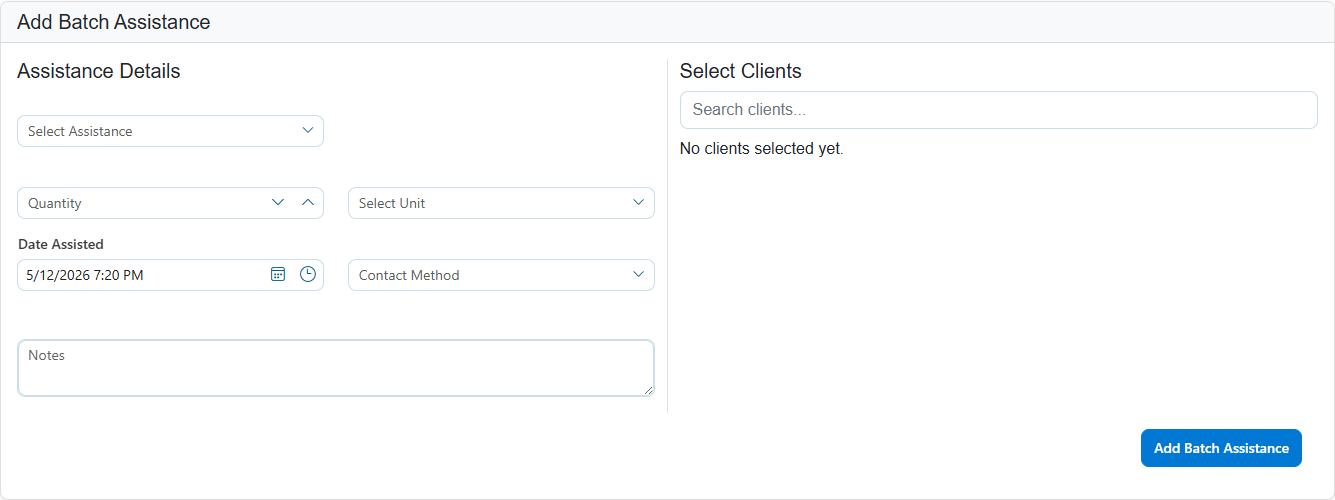
By connecting intake, service tracking, notes, and documents in one clean interface, Cohoist ensures that the full client story is always in one place. For example, if you're managing a high volume of assistance, Cohoist allows you to record multiple events at once, significantly cutting down on repetitive clicks.
Beyond just making daily tasks easier, Cohoist helps you prove your impact. By automating the collection of service data, the platform can generate funder-ready reports and dashboards automatically. You can see exactly how much time your team is saving and what outcomes are being achieved without the manual headache of data aggregation.

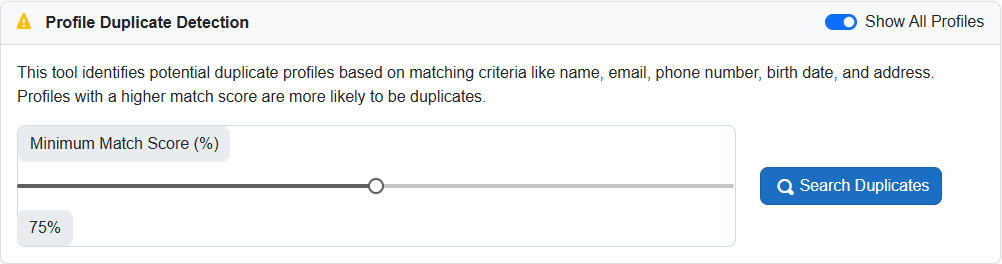
Furthermore, Cohoist helps maintain the integrity of your data as you grow. Tools like the Profile Duplicate Detection tool help ensure that your records stay clean, preventing the "messy" data that often plagues growing organizations.
Conclusion
Growth shouldn't feel like a burden. By moving away from manual data entry and toward a streamlined, human-centered system, you give your staff the room to breathe and your organization the ability to scale. When the "busywork" is handled by your software, your team can get back to what they do best: making a difference.
If you're ready to see how a simpler approach to case management can clear the path for your program's growth, you can explore our different plans and options at https://cohoist.com/pricing.
Ready to put this into practice?
Cohoist gives your team clean intake, fast service tracking, and funder-ready reports — without the clutter of traditional systems. See how simple it can be.