When Serving Takes a Backseat: The Unseen Admin Burden on Faith-Based Teams
If you lead a community outreach initiative or a faith-based ministry, your mission is likely clear: serve your neighbors, provide hope, and make a tangible impact. You are called to care for the widow, the orphan, the stranger, and the poor. But for many teams, the reality of daily operations tells a different story.
Instead of being in the community, counseling families, or coordinating workshops, your staff and volunteers are often buried under paperwork. They are chasing down missing files, manually entering data into spreadsheets, and trying to piece together client stories from fragmented notes.
This isn't just an inconvenience. It's a silent drain on your organization's energy and effectiveness. When administrative tasks take center stage, serving inevitably takes a backseat.
The Hidden Cost of "Good Enough" Tools
Many nonprofits start with the best intentions. You might use a shared Excel sheet, a basic CRM built for sales, or a complex legacy system that was designed for much larger enterprises. These tools often feel like a "good enough" stopgap solution.
However, as your team grows or your caseload increases, these workarounds begin to crack.
- Data Silos: Client information is scattered across emails, paper files, and multiple spreadsheets. A new volunteer doesn't know if a family has already received assistance because the data isn't in one place.
- Manual Entry Fatigue: Staff spend hours copying and pasting data from intake forms into reporting templates. This is tedious, error-prone work that offers no direct value to the client.
- Lost Context: When a case manager leaves or a volunteer rotates out, institutional knowledge walks out the door with them. There is no single, shared record of the client's journey, milestones, or specific needs.
The result is burnout. Your frontline staff, who are passionate about your mission, are exhausted by the bureaucracy required to document their work.
How Broken Workflows Impact Client Continuity
In faith-based and social service settings, trust is the foundation of your impact. Trust is built through genuine love, care, and consistency. When your administrative systems are broken, that consistency suffers.
Consider a typical scenario: A family comes in for food assistance. The intake form is filled out on paper. Two weeks later, they return for a job training workshop. The new staff member doesn't have access to the original paper form, so they ask the family to repeat their entire story. The family feels unheard and frustrated.
This isn't just about efficiency; it's about dignity. Clients deserve to be known and understood, not treated as a new problem every time they walk through the door.
Without a unified system, you risk:
- Duplicating Services: Accidentally providing aid to a family that has already received it, straining limited resources.
- Missing Critical Updates: Failing to notice when a client's situation changes because the data isn't tracked in real-time.
- Inconsistent Care: Different staff members offering different advice or assistance because they lack a shared history of the client's case.
The Shift from Data Collection to Impact Storytelling
For many nonprofit leaders, the pressure to report to funders is a constant source of stress. End-of-quarter reporting often turns into a frantic scramble. Staff are digging through old files, trying to calculate outcomes from incomplete data.
This reactive approach to reporting means you are always playing catch-up. You are collecting data to satisfy a requirement, not to understand your impact.
A more effective approach is to view every interaction as a data point that contributes to a larger story. When your daily workflows are streamlined, reporting becomes a natural byproduct of your work, not an additional burden.
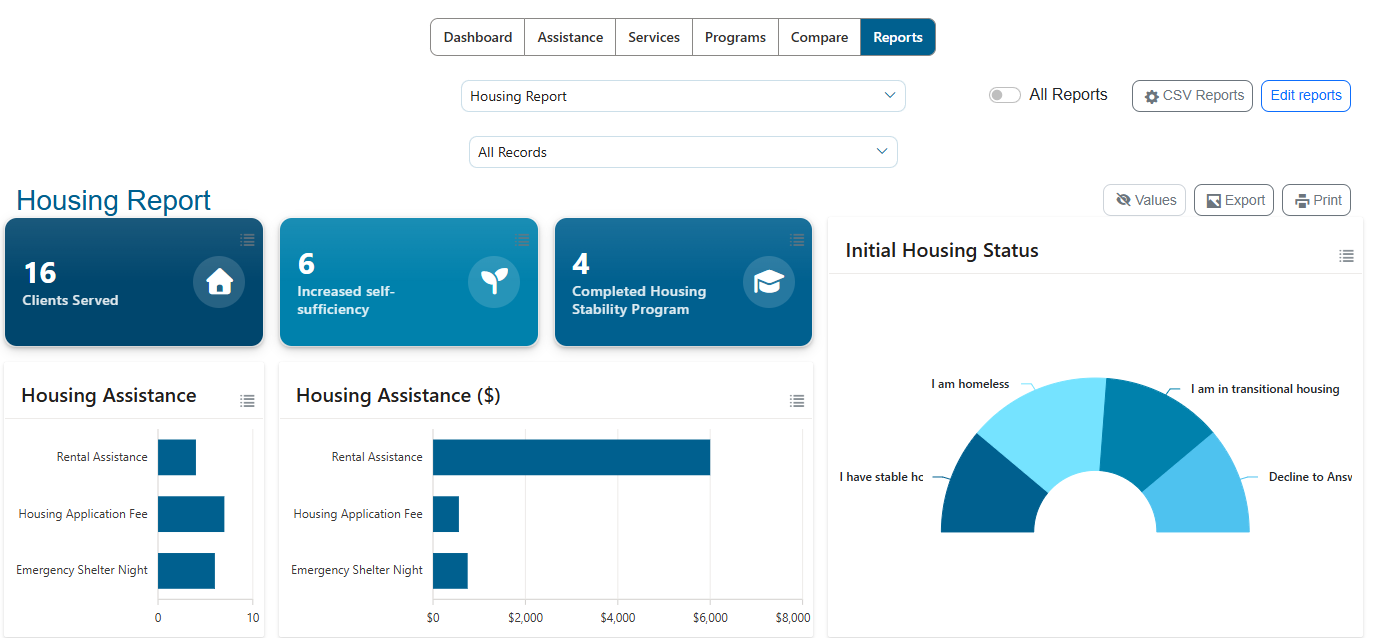
Imagine if, after logging a service or completing a workshop, the system automatically updated your dashboards. Imagine if funder-ready reports were generated with a single click, showing exactly how many families were served, what outcomes were achieved, and where gaps remain.
This shift allows you to move from "Did we do the work?" to "What difference did the work make?"
Building a Frictionless Daily Experience
The key to solving this problem isn't more technology; it's better-designed technology. Your team doesn't need another complex platform to learn. They need a tool that gets out of their way and supports their mission.
A modern case management software for nonprofits should prioritize speed and clarity. When a case manager logs in, they should see exactly what needs their attention today. They should be able to log a service interaction in seconds, not minutes.
Here is what a streamlined workflow looks like in practice:
- One Client, One Story: All notes, documents, assessments, and service history are stored in a single, shared record. Any authorized staff member can see the full context of a client's journey.
- Automated Follow-ups: The system can automatically send reminders for upcoming appointments or check-ins, ensuring that no client falls through the cracks due to human error or busy schedules.
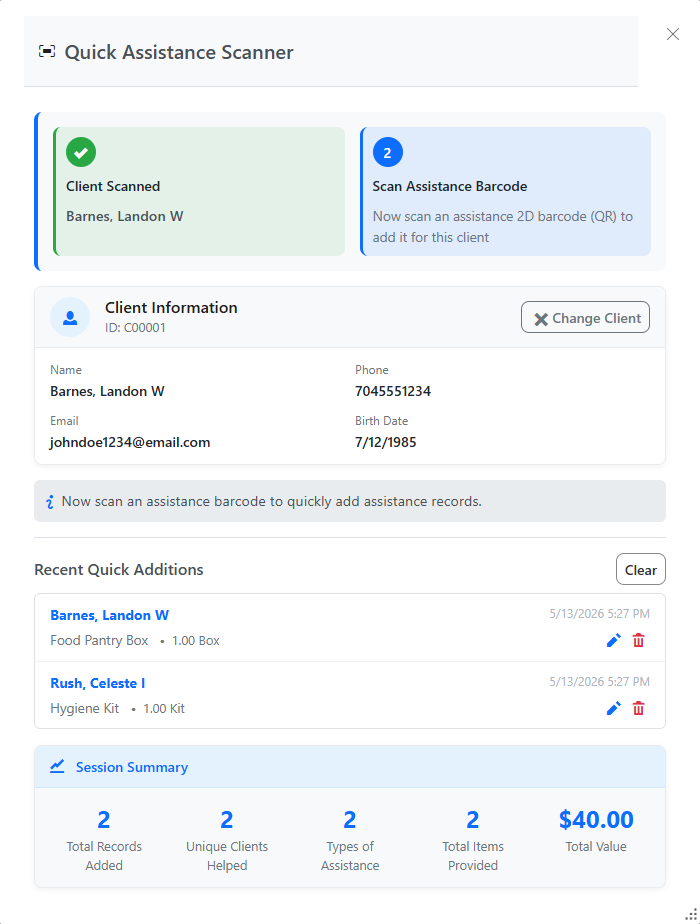
- Quick Service Logging: Instead of navigating through multiple menus, staff can use simple workflows or even barcode scanning to log assistance. This reduces the time spent on documentation, allowing your team to focus on serving the community.
Empowering Leadership with Clear Visibility
While frontline staff need simplicity, leadership needs visibility. You need to know how your resources are being allocated and what impact you are having in real-time.
Traditional reporting methods often provide a lagging view of your organization's health. By the time you see the numbers, the quarter is over, and opportunities for course correction have passed.
A centralized system gives you a live pulse on your operations. You can see:
- Team Performance: Who is handling the most cases? Are there bottlenecks in specific areas?
- Service Trends: Are more families needing food assistance or job training? How are these needs changing over time?
- Outcome Tracking: Are your programs actually helping clients achieve their goals?
This data-driven insight allows you to make strategic decisions with confidence. You can advocate for your organization with funders using accurate, up-to-date metrics. You can identify where additional resources are needed. And you can celebrate your wins with concrete evidence of your impact.
Reclaiming Your Time for What Matters Most
The burden of administrative complexity doesn't have to be permanent. By choosing a platform designed specifically for the realities of nonprofit work, you can transform your operations from a source of stress into a source of strength.
When you remove the friction from data entry and reporting, you give your staff the gift of time. Time to connect with clients. Time to plan better programs. Time to rest and recharge.
For teams looking to simplify their case management without sacrificing capability, Cohoist offers a refreshingly simple alternative to cluttered legacy systems. It connects intake, service tracking, and impact reporting in one clean interface, allowing staff to adopt it quickly and start seeing results from day one.
By focusing on human-centered design, Cohoist helps you build a clearer path from intake to impact, ensuring that your team can focus on serving rather than struggling with software.
If you're ready to reduce the admin burden and give your team the tools they need to thrive, explore how Cohoist can support your mission. Start your free trial today and see the difference a simpler approach can make.
Ready to put this into practice?
Cohoist gives your team clean intake, fast service tracking, and funder-ready reports — without the clutter of traditional systems. See how simple it can be.